The Micro-Conversion Power of ‘Read More’ in Citizenship Law Funnels
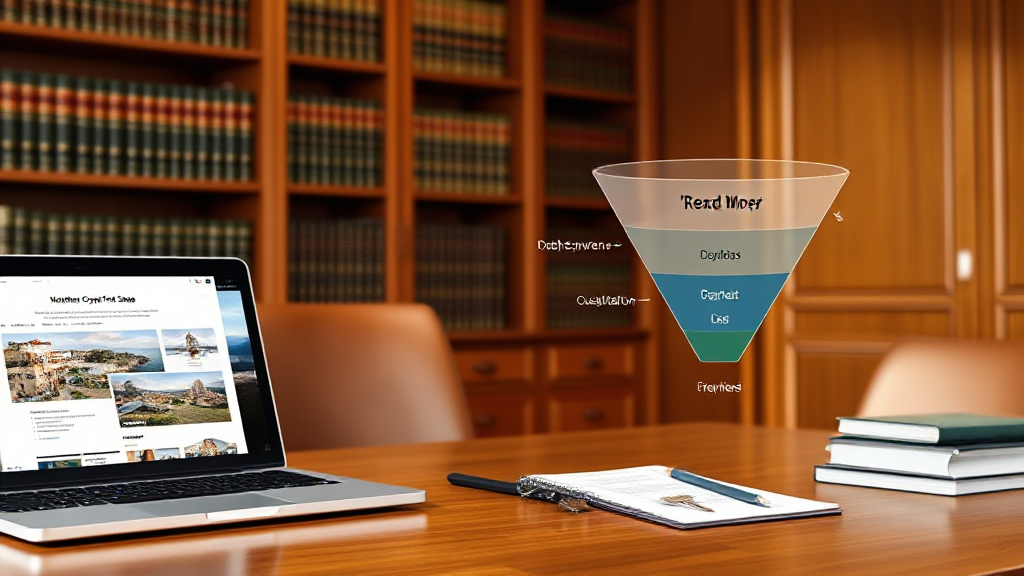
Picture a funnel diagram for a citizenship-by-investment law firm. At the top sits awareness: a search query, a social post, a referral. At the bottom sits the paid consultation, where a qualified prospect speaks with a licensed attorney and the real revenue conversation begins. Between those two points, something small and unglamorous does an enormous amount of work. That something is the micro-conversion, and in this niche, it often looks like a modest “Read More” or “Learn More” prompt that sits between a property listing and a consultation booking. If you are studying lead generation for professional-services firms, this tiny phrase deserves more attention than it usually gets.
This analysis looks at the funnel in four stages, the way a growth analyst would: awareness, micro-conversion, qualification, and consultation. Along the way, we will use a real-world example of how property and residency content feeds citizenship-law pipelines. A useful reference point is https://northerncyprusforsale.com/, a property listing and market information site for North Cyprus that sits naturally upstream of residency and citizenship conversations. It is not a law firm, but it is exactly the kind of content layer that drives the micro-conversions a citizenship practice needs.
Awareness: Where Citizenship Prospects Actually Enter
Most citizenship-law firms assume their funnel starts with a search for “citizenship by investment” or “second passport.” In practice, a large share of high-intent prospects enter through adjacent topics. They are researching where to live, what property costs, how title deeds work, and what taxes they will face. Those questions are property questions before they are legal questions. The person searching for a coastal apartment in North Cyprus is often the same person who will later ask about residency permits and long-term settlement options.
This is why the awareness stage is broader than most firms treat it. A prospect researching a new-build development, comparing developer prices, or reading about title deed risks is already demonstrating the behavioral signals of a future client. They are not yet asking legal questions, but they are assembling the raw material that makes a citizenship or residency consultation relevant. Firms that only publish legal content miss this entire entry layer.
The implication for funnel design is direct. If awareness content lives on a partner or publisher site rather than your own domain, you do not control the next step. You are renting attention. The micro-conversion is where you either capture that attention or lose it to a competitor who does.
The Micro-Conversion: Why a Three-Word Prompt Outperforms a Hard CTA
A micro-conversion is any small, low-friction action that moves a prospect one step closer to a consultation without demanding a commitment. Downloading a price guide, viewing a full listing, requesting a shortlist, or clicking a “Read More” link are all micro-conversions. They are cheap for the user and rich in signal for the firm.
The reason “Read More” works better than “Book a Free Consultation” at the top of the funnel is psychological, not technical. A citizenship prospect at the awareness stage is not ready to talk to a lawyer. Asking for a consultation too early triggers resistance. A “Read More” prompt asks for almost nothing, so the click rate is high. That click is the first measurable hand-raise.
In the property-to-citizenship pipeline, this is especially visible. A listing site that presents 1,669 properties, developer prices starting from £119,900, and clear information on projects, areas, title deeds, taxes, and risks is doing the work of a top-of-funnel educator. Each listing page and each market guide is a micro-conversion opportunity. When that content links onward to deeper information, the reader self-selects. They are telling you, through behavior, that they are serious.
For a citizenship-law firm, the lesson is that micro-conversions should be instrumented, not ignored. Track the click-through from educational content to the next step. Track time-on-page after the click. Track which topics produce the highest downstream consultation rates. A “Read More” click is a data point, and enough of them form a pattern you can optimize against.
Qualification: Turning a Click Into a Qualified Lead
The gap between a micro-conversion and a qualified lead is where most funnels leak. Someone clicks “Read More,” reads a second page, and then disappears. The firm never learns their name, their budget, or their timeline. The click was valuable, but it was not captured.
Qualification fixes this by adding a second, slightly higher-friction micro-conversion. After the educational content, offer something that requires a small exchange: a detailed price and market report, a shortlist of developments matching a stated budget, or a checklist on title deeds and taxes. Each of these asks for an email address or a few preference inputs. That exchange is the qualification step.
In the citizenship context, qualification questions are predictable. Which country or region are you considering? Are you buying property as part of the plan? What is your timeline? Do you need residency or full citizenship? A prospect who has already clicked through property content will answer these readily, because the questions match the content they just consumed. A prospect who arrived cold from a generic legal ad will often abandon the form.
This is the strategic value of aligning citizenship-law funnels with property-information content. The property layer does the qualifying work before the legal conversation begins. By the time the prospect reaches the consultation, they have already self-identified as someone with a real, researched intent rather than a casual curiosity.
Consultation: Where the Funnel Proves Its Economics
The consultation is the conversion that pays the bills, but its cost is determined upstream. If the awareness and micro-conversion stages are weak, the firm pays for unqualified consultations that waste attorney time. If those stages are strong, the consultation is a closing conversation rather than a discovery call.
Metrics make this visible. Track the cost per micro-conversion, the micro-conversion-to-qualified-lead rate, and the qualified-lead-to-consultation rate. A firm that improves its micro-conversion rate from 2% to 4% on the same traffic volume doubles its qualified lead flow without spending more on awareness. That is the compounding effect of small funnel elements. The “Read More” prompt is not a trivial design choice; it is a lever on the unit economics of the entire practice.
There is also a trust dimension. Citizenship and residency decisions are high-stakes and often irreversible. Prospects need to feel informed before they commit to a legal relationship. Educational content that links naturally from one useful page to the next builds that confidence. A listing site like https://northerncyprusforsale.com/ demonstrates the pattern well: it presents properties, developer pricing, and practical guidance on title deeds, taxes, and risks in a way that lets a reader move from curiosity to informed interest at their own pace. That is precisely the behavior a citizenship-law funnel wants to inherit.
The practical takeaway is to treat every educational page as a micro-conversion asset. Give readers a clear, low-friction next step. Capture the ones who take it. Qualify them with a slightly larger ask. Then route them to a consultation that is genuinely useful to both sides. The funnel is not a single landing page; it is a chain of small, well-placed prompts, and the weakest link determines the yield.
FAQ
What is a micro-conversion in a citizenship-law funnel?
A micro-conversion is a small, low-commitment action a prospect takes before booking a consultation, such as clicking a “Read More” link, downloading a market guide, or viewing a detailed listing. It signals interest without demanding a sales conversation, and it gives the firm measurable data about which topics attract serious prospects.
Why does property content feed citizenship-law lead generation?
Many citizenship and residency prospects begin by researching where to live, what property costs, and how ownership and taxes work. Property and market information answers those early questions, so prospects arrive at the legal consultation already informed and qualified. This makes the consultation more productive for both the client and the attorney.
How should a firm measure the value of a “Read More” click?
Track the click-through rate from educational content, the time spent on the destination page, and the rate at which those readers become qualified leads and consultations. The goal is not the click itself but the downstream conversion rate it produces. Improving the micro-conversion rate is often cheaper than increasing traffic volume.
What content best supports the qualification stage?
Detailed, practical assets work best: price and market reports, shortlists of developments by budget, and guides to title deeds, taxes, and risks. These require a small exchange, such as an email address or a few preference inputs, which qualifies the prospect while delivering genuine value.